
 how-to
Building Child Safe Culture in Childcare: A Step-by-Step Guide
Table of Contents
- What a Child Safe Culture Actually Means
- Why Policies Alone Don't Create Child Safe Culture
- Step 1: Define Your Child Safe Values and Expectations
- Step 2: Create Strategies for Speaking Up About Child Safety
- Step 3: Build Psychological Safety in Early Childhood Teams
- Step 4: Embed Child Safe Standards in Team Meetings
- Step 5: Make Safety Visible Through Everyday Behaviours
- Measuring and Sustaining Your Child Safe Culture
- Frequently Asked Questions
Last Updated: September 26, 2026
What a Child Safe Culture Actually Means
A child safe culture is an organisational environment where child protection is everyone's responsibility, not just a policy document gathering dust on a shelf. It means every team member, from educators to support staff, understands what child safety looks like in daily practice and actively works to protect it.
Building child safe culture in childcare means:
- Every educator knows how to spot warning signs
- Staff feel safe speaking up about concerns without fear
- Leaders respond quickly and fairly when issues arise
- Values like respect, accountability and transparency are visible every day
- New team members learn the culture from day one, not through a single training session
Why Policies Alone Don't Create Child Safe Culture
Most Early Learning centres have solid child protection policies and staff complete annual training. Yet many leaders still feel anxious about whether their team truly understands what safety looks like in practice. Policies describe what to do. Culture determines whether people actually do it.
Real culture change requires:
- Clear behavioural expectations, not just policies, but visible examples of what safe practice looks like
- Psychological safety, staff feel safe speaking up without fear of blame or retaliation
- Consistent responses, when concerns are raised, leaders respond in ways that reinforce the culture
- Shared ownership, safety is everyone's job, not just the Nominated Supervisor's burden
Step 1: Define Your Child Safe Values and Expectations
Before you can embed child safe culture, your team needs to know what you're actually aiming for. Not the regulatory definition, the real, lived version that applies to your centre.
-
Courage to speak up, we raise concerns early, even when it's uncomfortable
-
Fair and swift response, when someone speaks up, we listen without blame and act quickly
-
Child-centred decisions, every decision we make puts the child's wellbeing first
-
Trust and transparency, we're honest about what happened and what we're doing about it
-
Shared responsibility, safety is everyone's job, not just one person's
-
Educators raise concerns about other staff members directly, or to the Nominated Supervisor if they feel unsafe
-
Leaders respond within 24 hours, even if just to say "I've heard you, here's what happens next"
-
Team meetings include a standing agenda item: "What concerns have we noticed this week?"
| Value | Behaviour | What This Looks Like |
|---|---|---|
| Courage to speak up | Raise concerns early | Educator mentions a worry in team huddle |
| Fair response | Leader responds within 24 hours | Nominated Supervisor confirms receipt and next steps |
| Child-centred | Put child first in decisions | Document child's voice in incident response |
| Transparency | Be honest about what happened | Team learns what occurred and how it was handled |
| Shared responsibility | Everyone watches out | Staff notice and report unsafe practice |
Step 2: Create Strategies for Speaking Up About Child Safety
If your team doesn't feel safe speaking up, your child safe culture will fail. Many educators worry that raising a concern will make them unpopular or that they'll be blamed if they're wrong. These fears silence people.
Pathways for speaking up include:
- Direct conversation, educator speaks to the Nominated Supervisor or relevant leader
- Anonymous reporting option, staff can raise concerns in writing without identifying themselves
- Team huddle check-in, brief daily or weekly meeting where anyone can voice worries
- One-on-one check-ins, regular private conversations where staff feel safe sharing
- External reporting, staff know how to contact regulatory bodies if internal channels fail
- Listen, receive the concern without defensiveness or judgment
- Acknowledge, confirm you've heard them and explain what happens next
- Investigate, gather information fairly and thoroughly
- Respond, tell the person what you found and what action you're taking
- Follow up, check in to confirm the concern has been addressed
Step 3: Build Psychological Safety in Early Childhood Teams
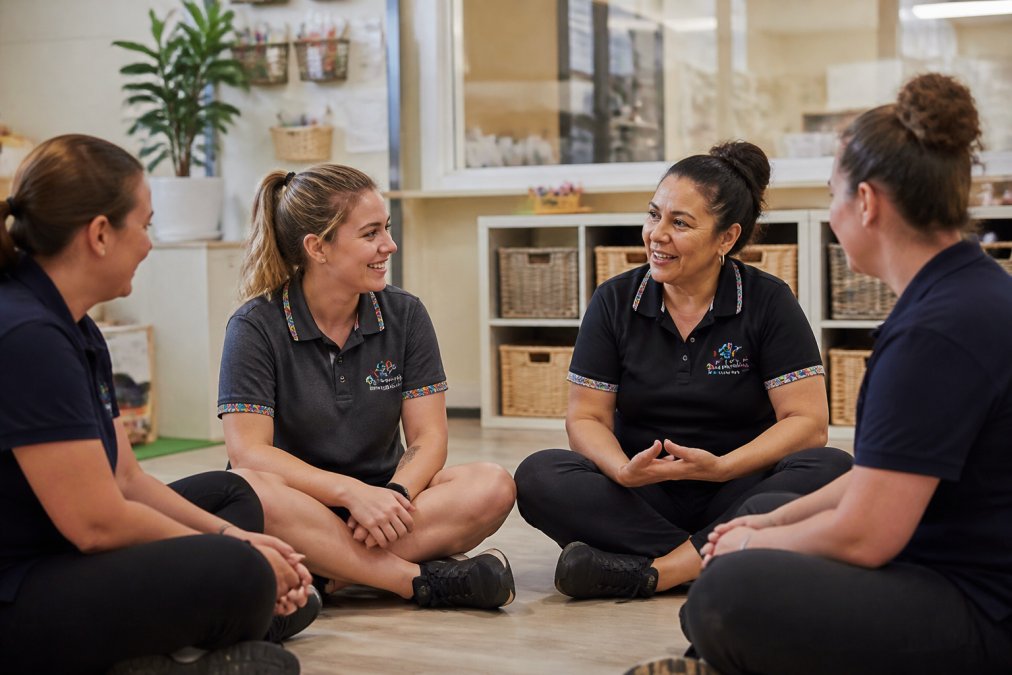
Psychological safety is the foundation of child safe culture, the belief that you can speak up, ask questions, admit mistakes and raise concerns without fear of punishment. In early childhood teams, this means educators feel they can:
-
Say "I'm not sure how to handle this situation" without being seen as incompetent
-
Admit they made a mistake without worrying they'll be blamed or fired
-
Question a decision or practice they think is unsafe
-
Ask for help when they're struggling
-
Respond to mistakes with curiosity, not blame, when something goes wrong, ask "What happened? What did you learn?" instead of "Why did you do that?"
-
Admit your own mistakes, when you get something wrong, acknowledge it openly so staff see that mistakes don't mean you're unsafe
-
Ask for input and actually use it, invite staff opinions on decisions, and show how their feedback shaped the outcome
-
Protect people who speak up, if someone raises a concern, defend them and make sure they're not punished for doing so
-
Be consistent, treat all staff fairly, regardless of how long they've been with you or how much you like them personally
Step 4: Embed Child Safe Standards in Team Meetings
Team meetings are where culture either gets reinforced or ignored. If child safety never comes up in your meetings, your team gets the message that it's not actually a priority.
-
Opening check-in (5 minutes), how is everyone feeling?
-
Child safe culture moment (5-10 minutes), discuss a scenario, review a behaviour, or celebrate an example of someone speaking up
-
Operational updates (15 minutes), rosters, events, changes
-
Team discussion (10 minutes), what's working, what's hard, concerns
-
Closing (2 minutes), appreciation or a reminder of values
-
Scenario discussion, "A parent just told you something that worries you about their child's home situation. What do you do?"
-
Behaviour review, "Remember our value of 'courage to speak up'? Here's what that looks like: when you notice something unsafe, you mention it to the team within 24 hours"
-
Celebration, "This week, [staff member] noticed something and spoke up. Here's what happened and how we responded"
-
Reflection, "Have we seen any barriers to speaking up this week? What got in the way?"
Step 5: Make Safety Visible Through Everyday Behaviours
Culture lives in behaviour, not words. Leaders model the culture they want to see. If you say "speak up" but shut down someone who questions your decision, you've taught them not to speak up. If you say "we respond fairly" but blame someone for a mistake, you've taught them to hide problems.
- When someone raises a concern, respond within 24 hours and explain what you're doing
- When you make a mistake, acknowledge it openly so staff see that mistakes don't end careers
- When someone does something right, notice it and name it specifically (not just "good job," but "you handled that conversation with the parent really well because you listened without interrupting")
- When you make a decision, explain your thinking so staff understand how you're prioritising child safety
- When something unsafe happens, respond visibly so staff see that safety matters more than convenience
Measuring and Sustaining Your Child Safe Culture
Building child safe culture is an ongoing practice that needs regular attention or it drifts. Define what success looks like for your centre in real terms. What would you see and hear if your child safe culture was genuinely strong?
Examples might include:
- Staff raise concerns within days, not weeks
- New educators understand your safety expectations within the first month
- Team meetings include regular discussion of what's working and what's hard
- When something unsafe happens, the team responds quickly and fairly
- Staff turnover is lower because people feel valued and psychologically safe
Measure success regularly through simple check-ins:
- Monthly team reflections, "How are we going with our child safe values? What's working? What needs attention?"
- Exit interviews, when staff leave, ask what would have made them stay
- New staff feedback, after three months, ask whether they felt the culture matched what you said it would be
- Incident review, when something goes wrong, ask whether your response reinforced or undermined the culture
Frequently Asked Questions
What are the core components of a child safe culture in early childhood education?
A genuine child safe culture rests on three foundations: clear, shared values that prioritise child wellbeing; systems that make it easy for staff to speak up about concerns without fear; and visible, consistent behaviours that demonstrate safety is everyone's responsibility. It's not a policy document, it's how your team acts every single day. When educators see leaders model accountability, when staff feel psychologically safe reporting concerns, and when safety conversations happen naturally in team meetings, that's a child safe culture at work.
How do you embed the National Principles for Child Safe Organisations into daily team routines?
Start by translating each principle into specific behaviours your team will actually do. For example, 'child-centred approach' becomes 'we pause to ask: how does this decision affect children's safety?' Make these behaviours visible in team meetings, induction processes, and decision-making routines. When a new policy or program launches, explicitly connect it back to the principles. Reference them in staff meeting agendas, recognition moments, and difficult conversations. The more often staff hear and see the principles in action, the more they become part of how your team thinks and works.
What role does psychological safety play in reporting child safety concerns?
Without psychological safety, staff won't speak up, even when something matters. If educators fear judgment, blame, or exclusion, they'll stay silent. Psychological safety means staff trust that raising a concern won't damage their reputation or relationships. Build this by responding to concerns with curiosity, not blame; by thanking people who speak up; and by making it clear that reporting is a sign of care, not failure. When your team feels safe, more concerns surface early, before they escalate. That's when you can actually prevent harm.
How can leaders move beyond compliance to build a proactive child safe culture?
Compliance means ticking boxes, training records, policies filed, incident forms completed. Proactive culture means your team actively thinks about safety before problems happen. This shift happens when safety is woven into everyday conversations, not just annual training. Ask yourself: Do staff bring up safety concerns in team meetings unprompted? Do educators challenge unsafe practices? Do people feel ownership of safety, or do they wait for leadership to enforce it? If the answer is no, focus on embedding safety into your regular rhythms, meetings, onboarding, appreciation, and decision-making, rather than adding more training events.